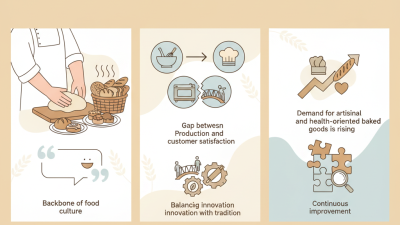
What is the Importance of Bakery Machines in Modern Baking?
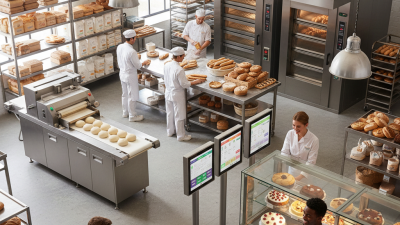
In the world of modern baking, bakery machines play a crucial role. These machines revolutionize the way we produce baked goods. Their efficiency and precision can significantly enhance productivity. For example, mixing machines ensure consistent dough texture, which is vital for quality.
However, with advanced technology, there is always a learning curve. Bakers must adapt to new machines, which can be a challenge. The initial investment in bakery machines can also be daunting for small businesses. Yet, the potential to improve baking processes often outweighs these concerns.
Moreover, relying solely on machines might lead to a loss of traditional skills. While efficiency is important, the artistry of baking should not be overlooked. Finding a balance between technology and craftsmanship is essential in the baking industry. Ultimately, bakery machines are instrumental in shaping the future of baking, but reflection on their impact is necessary.
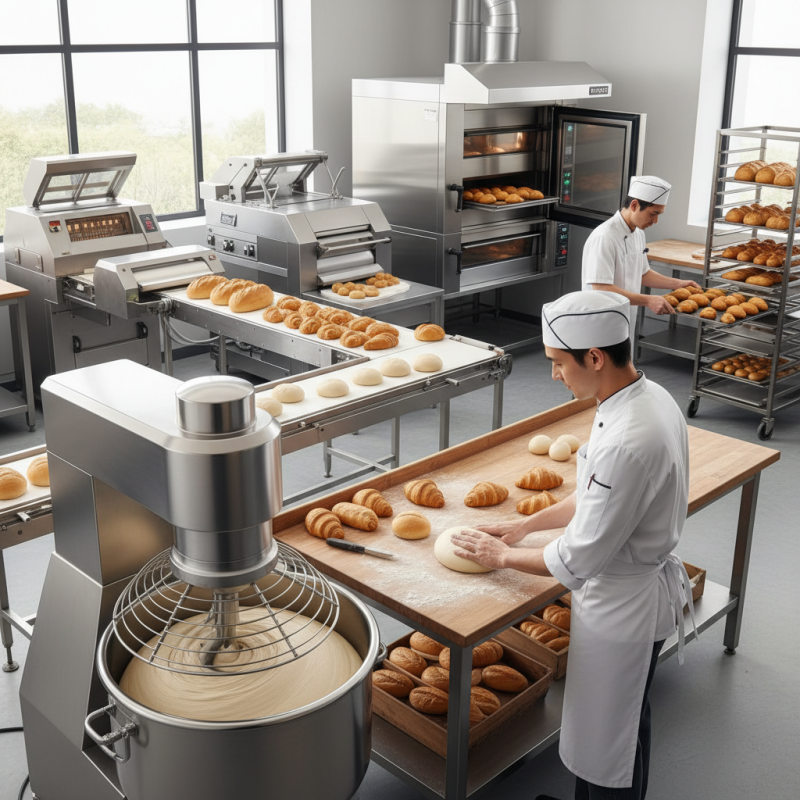
Role of Bakery Machines in Enhancing Baking Efficiency
Bakery machines play a crucial role in modern baking. They significantly enhance efficiency. With automated mixers and ovens, bakers can produce consistent products quickly. These machines reduce the time needed for preparation. This efficiency allows bakers to focus on creativity and flavors.
Using machines also decreases the physical strain on workers. Kneading dough can be tiring. A mixer takes away that burden, ensuring a consistent outcome. However, reliance on these machines can lead to a lack of skill development. New bakers might not learn traditional methods. It's essential to balance machine use with hands-on techniques.
Moreover, while machines improve speed, they can lack finesse. A machine might not replicate the subtle touch of a skilled baker. Some unique pastries require a personal touch. Bakers must reflect on the importance of maintaining that balance. Embracing technology shouldn't overshadow the art of baking.
Types of Bakery Machines and Their Unique Functions
In modern baking, the role of bakery machines cannot be underestimated. These machines streamline processes, saving significant time. For instance, a dough mixer can prepare dough in as little as 10 minutes. Manually, this could take up to an hour. According to industry reports, automated systems have increased bakery production efficiency by up to 30%. This allows bakers to focus on creativity rather than repetitive tasks.
Various bakery machines serve unique functions. For example, proofing cabinets create the perfect environment for yeast dough to rise. This controlled environment is crucial for quality bread. Additionally, ovens equipped with steam injection can produce crusty loaves that appeal to consumers. A study indicated that 70% of bakers reported enhanced product quality due to modern ovens. However, relying solely on machines can lead to a loss of traditional skills. Balancing automation with artisanal methods is essential for overall success.
While machines perform many tasks, they are not foolproof. A malfunctioning mixer can halt production and waste resources. Therefore, routine maintenance is crucial. Regular checks ensure that machines operate at peak efficiency. However, over-dependence on these machines can stifle innovation and creativity. Bakers must remain adaptable, blending modern technology with traditional techniques to thrive in the ever-evolving baking industry.
Importance of Bakery Machines in Modern Baking
Impact of Automation on Modern Baking Processes
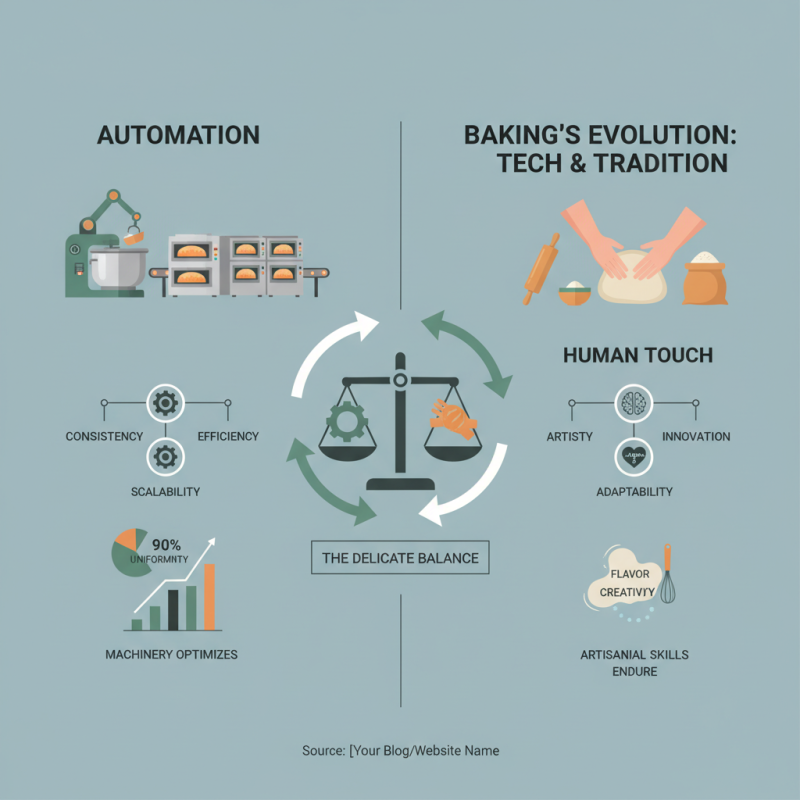
Automation has transformed modern baking processes significantly. Machines like mixers, ovens, and proofers ensure consistency in quality. But what about the human touch? Many bakers fear that automation could erode traditional skills. The balance between machinery and artisanal techniques is delicate.
Consider how dough sheeters save time. They flatten dough evenly, creating perfect layers for croissants. Yet, some argue this method lacks the handmade charm. The soul of baking involves feeling the dough, adjusting the texture by hand. Automation can streamline operations but may miss the nuances of a baker's instinct.
Efficiency is a major benefit of these machines. High-volume production becomes achievable without sacrificing quality. However, over-reliance on machines could lead to fewer skilled bakers. The craft might diminish if creativity is replaced by programmed settings. It raises questions about future baking and the need for a balance between efficiency and artistry.
Cost-Benefit Analysis of Investing in Bakery Equipment
Investing in bakery machines can seem daunting at first. The upfront costs are significant, but the long-term benefits often outweigh the initial expense. Bakery equipment improves efficiency. It helps you produce consistent results, ensuring that every loaf or pastry meets quality standards. This consistency builds customer trust and loyalty.
Calculating the return on investment (ROI) is vital. Examine how bakery machines reduce labor costs and time. For instance, a mixer can handle batters quicker than manual mixing. This allows staff to focus on other essential tasks. However, there can be challenges. Machines require maintenance, and downtime can disrupt operations. Finding reliable technicians can be tricky.
Think about energy consumption too. Some machines use more power than expected, affecting operational costs. On the flip side, energy-efficient models can save money over time. Finding the right balance is crucial. Investing wisely in bakery equipment leads to greater productivity and profitability, but not every machine may suit every bakery's unique needs.
What is the Importance of Bakery Machines in Modern Baking? - Cost-Benefit Analysis of Investing in Bakery Equipment
| Equipment Type |
Initial Investment ($) |
Operational Cost ($/year) |
Daily Production Capacity (units) |
ROI (% in 5 years) |
| Oven |
15,000 |
1,200 |
300 |
150% |
| Mixer |
5,000 |
600 |
150 |
120% |
| Dividers |
10,000 |
800 |
200 |
140% |
| Proofers |
7,000 |
500 |
100 |
130% |
| Slicers |
3,000 |
300 |
250 |
115% |
Future Trends in Bakery Technology and Innovation
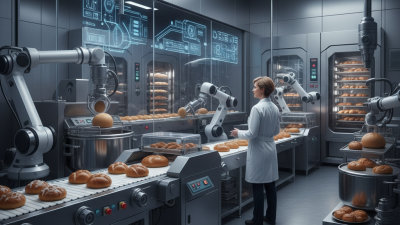
The bakery industry is rapidly evolving with new technologies. Automation is changing how baked goods are produced. According to a recent report by Mordor Intelligence, the global bakery equipment market is expected to grow at a CAGR of 6.5% from 2021 to 2026. This trend underscores the increasing reliance on machines for efficiency and consistency.
Emerging technologies, such as artificial intelligence and IoT, are making significant impacts. These tools can optimize recipes in real-time. For instance, sensors can monitor dough fermentation. This allows bakers to produce better quality products and reduce waste. However, not all bakers are ready to embrace these advancements. Some still prefer traditional methods, fearing loss of skill and craftsmanship. This tension highlights a need for balance.
Sustainability is another growing concern in the bakery sector. By 2025, a reported 60% of consumers will prioritize eco-friendly practices. Bakery machines are being designed to operate more sustainably. Energy-efficient models can reduce overall consumption. Still, the industry struggles with high energy costs and waste management. Addressing these challenges will be essential for future growth and innovation.