2026 How to Choose the Best Bakery Systems for Your Business?
Choosing the right bakery systems is crucial for any baking business. These systems can significantly impact productivity and product quality. With the right equipment, you can enhance your operation and delight your customers. However, selecting bakery systems is not a one-size-fits-all process.
Many factors come into play. Your business size, production volume, and specific baked goods are essential considerations. For instance, a small artisan bakery may need different equipment than a large industrial bakery. Assessing your needs can help narrow down your options.
Many entrepreneurs feel overwhelmed by choices. It can lead to impulsive decisions, which may not serve the business well in the long term. Therefore, taking time to evaluate each bakery system's capabilities is vital. This process ensures that you invest wisely for the growth and efficiency of your bakery operations.
Understanding the Different Types of Bakery Systems Available
When it comes to selecting bakery systems, understanding the various types available is critical. Different systems cater to unique needs. For instance, batch ovens are great for small to medium operations. They offer versatility and are perfect for artisan breads and pastries. On the other hand, rack ovens suit larger bakeries. They provide even heat distribution and high production capacity, making them ideal for mass production.
Another essential aspect is the mix of automated and manual equipment. Automated mixers can drastically speed up production. They also ensure consistency in dough quality. However, reliance on automation may reduce the artisan touch valued by many customers. Balancing technology with traditional methods can be a challenge for new bakery owners. Factors like workflow efficiency and kitchen space must be evaluated. Understanding operational needs helps in choosing the right systems.
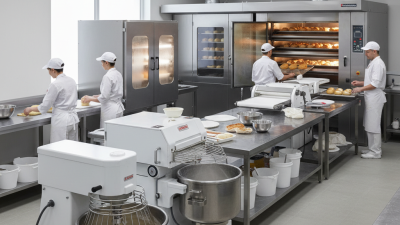
Space is another significant consideration. Some businesses may not have the flexibility to house large machines. This constraint could limit options. It’s crucial to visualize how equipment fits into your layout. A well-designed kitchen can streamline processes and improve productivity. Researching and visiting other bakeries can provide insights. Learning from peers can help refine your choices and avoid common pitfalls. Each bakery's journey is unique, so take the time to reflect on what fits your vision.
Evaluating Your Business Needs for a Bakery System
Choosing the right bakery system for your business starts with understanding your unique needs. According to recent industry reports, 70% of bakery owners express frustration with inventory management. A system that integrates inventory and sales tracking can streamline operations. It can reduce waste and improve profitability.
One critical area to evaluate is your production capacity. Are you able to meet peak demand? Systems that offer scalability can adapt as your business grows. Data shows that bakeries that utilize automated systems increase their output by over 20%. However, automation can also lead to unexpected downtime. Explore how frequently maintenance is needed and plan accordingly.
Tip: Consider a trial period for any new system. This way, you can assess its features and compatibility before full implementation. Access to customer support is another important factor. An accessible support team can resolve issues quickly, maintaining your operation's efficiency. Reflect on your current processes and identify areas for improvement as you evaluate potential systems.
Evaluating Bakery System Options for 2026
Key Features to Look for in Bakery Systems
Choosing the right bakery systems for your business is crucial. When selecting a system, focus on key features that enhance efficiency and quality. Look for solutions that integrate seamlessly with your daily operations. A reliable system can save time and reduce waste, both essential in the bakery industry.
Consider systems that offer customizable settings. Flexibility allows you to adjust recipes for different products. This is vital when catering to various customer tastes or dietary needs. Advanced systems often include automation features. Yet, they should not compromise the personal touch in your baking. Balancing efficiency and craftsmanship can be challenging.
Another critical feature is robust inventory management. A system should help track ingredients in real-time. This can prevent shortages and excess, which may lead to spoilage. Implementing real-time analytics can provide insights into sales trends and customer preferences. Remember, a system that works today may need adjustments tomorrow. Regularly assess its performance and adapt your practices accordingly.
Comparing Costs and Budgeting for Bakery Systems
When selecting bakery systems, understanding costs is crucial. The price of equipment varies significantly. You might find basic mixers for a few hundred dollars. Advanced ovens, however, can run into thousands. It's essential to establish a budget that aligns with your business goals. This may mean balancing quality and affordability.
Investing in high-quality systems often pays off in the long run. They can improve efficiency and reduce waste. Still, consider maintenance costs. Some systems may require more care, impacting your budget. Always ask yourself: Will this system provide the return I need? Engaging with industry experts can offer insights. They help gauge which systems deliver real value. However, beware of hype. Not every expensive system guarantees better outcomes.
Evaluate your specific needs. A small bakery might not require industrial-scale equipment. Focus on what aids your workflow. Shopping smarter means knowing when to invest and when to save. Take a close look at financing options too. This approach ensures you don't overextend your budget while aiming for growth.
2026 How to Choose the Best Bakery Systems for Your Business? - Comparing Costs and Budgeting for Bakery Systems
| Bakery System Type |
Initial Cost (USD) |
Maintenance Cost (Annual, USD) |
Estimated Lifespan (Years) |
Benefits |
| Convection Oven |
$3,000 |
$300 |
10 |
Uniform cooking, energy efficient |
| Dough Sheeter |
$2,500 |
$250 |
8 |
Increases efficiency in dough preparation |
| Proofer |
$1,800 |
$200 |
15 |
Controls fermentation temperature and humidity |
| Mixer |
$2,000 |
$150 |
10 |
Consistent mixing, versatile for various recipes |
| Refrigerated Display Case |
$4,000 |
$400 |
12 |
Showcases product, maintains freshness |
Assessing Manufacturer Reputation and Support Services
When selecting bakery systems, the manufacturer’s reputation is crucial. A reputable manufacturer has a proven track record. Look for companies with a solid history in the industry. Consider online reviews and testimonials. Engaging with other business owners can provide valuable insights. They can share their experiences about system performance and support.
Support services are equally important. Prompt and reliable support ensures minimal downtime in your operations. Check if the manufacturer offers training for your staff. A lack of comprehensive training may lead to misunderstandings. Additionally, explore their customer service structure. Effective communication channels are vital for troubleshooting.
Analyze the warranty and service agreements. These often reflect the company's confidence in their products. Guarantees can indicate long-term reliability. However, be cautious of overly favorable terms. They may not always provide the necessary protection. Researching these aspects will lead to informed decisions that impact your bakery’s efficiency and success.